Day: January 19, 2023

Nyungwe Forest National ark

Nyungwe Forest National ark

Nyungwe National Park is a beautiful Protected Area, protecting one of the oldest montane rainforests on the African Continent, and boasts of rich biodiversity, than ever witnessed in any other safari destination in Rwanda. Kibale Forest sprawls over 386 square miles (about 100,000 hectares), Nyungwe Forest National Park is popular for protecting the largest surviving tract of lush and raw montane rainforest in the East and Central African region. Nyungwe National Park sits within the southwestern side of Rwanda, where it forms a contiguous Forest Block with Burundi’s Kibira National Park.

History

Nyungwe forest was declared a Forest Reserve in 1933 by the German Colonial Government but the rise in population coupled with the encroachment on the Reserve’s borders greatly threatened its existence. For this reason, the Protected Area’s size reduced from the original 440 square miles to 393 square miles between 1958 and 1973. This was also the time Rwanda was undergoing political instability due to Civil Wars. However, research studies were started between the 1970s and 1980s and this also led to the establishment of buffer zones to mark-off boundaries with local communities. Serious reconstruction initiatives started in 1995 to develop a number of infrastructures and in 2004, Nyungwe Forest was declared a National Park making it the third National Park in the country at the time.

Vegetation

Nyungwe National Park is made up of beautiful forest cover but with varying vegetation types. The change in altitude has a great effect on the varying vegetation zones whereby between 1900 and 2250 meters above sea level, the tallest tree species such as Newtonia, Carapa, and Cyathea Manniana are found. Between 2250 and 2500 meters above sea level, species such as Symphonia, Polycscias, and some Newtonia are found, and beyond 2500 meters above sea level are the Alpine vegetation like Shrubs and Bamboo.

Attractions of Nyungwe National Park

Plants

A total of over 1100 plant species are found in Nyungwe Forest National Park and of these, there are over 200 species of trees and about 140 orchids. Interestingly, 24 of these plant species are endemic to the Albertine Rift region and they include the rare Begonia pulcherrima among others.

Wildlife

Nyungwe Forest National Park has over 96 mammal species which include 63 different species of rodents and bats, and 13 species of primates (that include chimpanzees, L’Hoests monkeys, Hamlyn’s monkeys, blue monkeys, Red-tailed monkeys, the Rwenzori Colobus monkeys, and Olive baboons among others). It will interest you to know that over 16 mammals here are endemic, 5 are categorized as threatened by IUCN. Also present in this Park are over 30 Amphibian and reptile species.

Birds

Nyungwe Forest National Park is one of the best Birding Areas in the African Continent, especially for birders interested in sighting the Albertine Rift endemics and forest species. Of the 300 species of birds in Nyungwe, 26 species are Albertine Rift endemics. Some of the must-see species are Mountain masked Apalis, Red-collared mountain babbler, handsome francolin, black and white hornbills, Collared Apalis, Chapin’s flycatcher, Regal sunbirds, Strange weavers, Rwenzori batis, yellow-eyed black flycatcher, Grauer’s swamp warbler, Rwenzori Turaco, to mention but a few.

Other natural features such as waterfalls (such as the Isumo waterfalls), and wetlands (Kamiranzovu) add to the beauty of Nyungwe Forest National Park, hence must-see during guided walks.

Tourist Activities in Nyungwe Forest National Park

Chimpanzee tracking

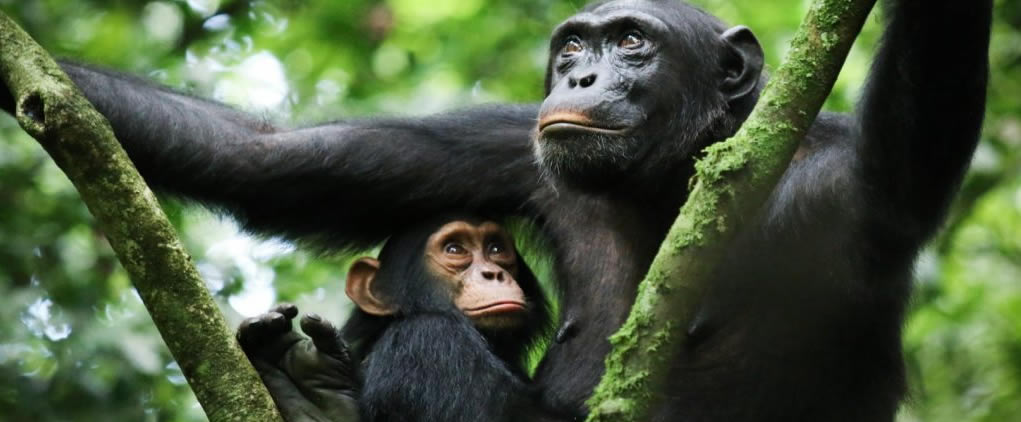
Chimpanzee tracking is the main tourist activity offered in Nyungwe Forest National Park, and this has been made possible by the presence of over 500 chimpanzees and research studies- habituation, where two chimpanzee communities are open. Chimpanzee tracking in Nyungwe is done in two sessions- Morning and afternoon and only visitors aged 12 years and above are allowed to trek a particular community and spend one hour.

Monkey tracking

Another primate tracking adventure offered in Nyungwe Forest National Park is the tracking of different monkey species. This Park is a haven for Rwenzori colobus monkeys, L’Hoests monkeys, blue monkeys, and owl-faced monkeys among others which can be tracked during your visit to this Park. Just like most activities in the Park, you will meet at the visitor center for a briefing before joining the trailhead to track the monkeys.

The Nyungwe Canopy walk

Few places in Africa offer the canopy walk and Nyungwe Forest National Park is one of them. Visitors are given the chance to explore the 200-meter-long walkway which is suspended between the higher slopes and tall trees (about 1 kilometer from Uwinka) and over 40 meters above the ground. This adventure is a wonderful opportunity to watch different tree species, primates, birds, and other attractions of the Park.

Bird watching

It’s no brainer that Nyungwe Forest National Park is one of the best birding spots in Rwanda. While on your birding adventure, expect to sight at least one of the 26 Albertine Rift endemics, 11 Guinea-Congo forest species, 71 Afro-tropical highland Biome species and so much more. The unmissable birding trails to try for the best sightings are Gisakura, Karamba, and Bigugu where the Rockefellers’ sunbirds, Kivu ground thrush, Grauer’s swamp warblers, Shelley’s Crimsonwing, yellow-eyed black flycatcher, Rwenzori Turaco, handsome francolin, Purple-breasted sunbirds, and Rwenzori batis are common.

Guided Forest walks/ Hiking

There are so far 15 renowned and well-maintained hiking trails in Nyungwe Forest National Park and these lead visitors through the forest to sight different species of wildlife, birds, waterfalls, and outstanding tree species. The trails are Bigugu, Karamba, Buhoro, Rukuzi, the Congo-Nile Divide, Kamiranzovu, Umuyove, Uwinka Trail, Irebero, Umugote, Muzimu, Isumo waterfall trail, Imbaraga, Igishigishigi, Ngabwe, and others.

Community tours

Community walks around Nyungwe Forest National Park involve visiting the Banda Community Village, Cyamundo Culture Group, Kitabi Cultural Village, or the Friends of Nyungwe Troops whereby travelers get an insight into how traditional meals are prepared, locals tend to their gardens or rear cattle among others.

When to visit Nyungwe National Park

When to visit Nyungwe National Park depends on your personal interest, budget, and time factor but one thing for sure is that this Park is open all year round. However, certain months are considered ideal and these are January, February, May, June, July, August, September, and December because they are the drier months, marked by reduced precipitation levels. For this reason, forest trails and Park roads are drier, less muddy or slippery, and the vegetation cover is sparser. This makes them peak months for chimpanzee treks, primate walks and hiking.

On the other hand, certain months like March, April, October and November are avoided because they are wet months marked by heavier rainfall, denser vegetation, and muddier or slippery trails/Park roads hence making them “unfavorable” for certain activities. However, this doesn’t mean that the activities aren’t possible. All activities can be undertaken and also given the effects of climate change and the nature of Nyungwe’s vegetation (predominantly rainforest), it becomes difficult to predict the weather.

Accommodation

For a comfortable and unforgettable stay when discovering Nyungwe Forest National Park, travelers are recommended to stay at One & Only Nyungwe House, Nyungwe Top View Hill Hotel and Gisakura Guesthouse among others.

Getting to Nyungwe National Park

Nyungwe National Park is in the southwest of Rwanda, approximately 217 kilometers from Kigali City and can be accessed by air or road transport. For the latter, a good 4WD Vehicle is recommended. You can use private means (Car rental, or personal car), but if you opt for public means, it is advisable to use an early morning bus from Nyabugogo Bus station (Kigali) to Rusizi and this takes about 7-8 hours.

For Car Rentals, there are a number of reputable Car hire Companies or tour operators that you can use within Kigali.

For air, a helicopter charter can be arranged from Kigali International Airport to Nyungwe Forest National Park and this lasts about 40 minutes.


Posted by admin, 0 comments
Kibale Forest National park

Kibale Forest National park

Kibale Forest National Park is one of the most popular National Parks in Uganda, known for sheltering the country’s highest-ever-recorded species of primates. For most travelers who hope to meet face-to-face with the chimpanzees in their natural habitat, this Park is usually the first destination of choice. Kibale Forest National Park is situated in the western part of Uganda, protecting one of the largest tracts of Tropical rainforest between altitudes of 1100 and 1600 meters above sea level. The verdant Protected Area is just a stone’s throw from the beautiful Ndali-Kasenda Crater Area and only a 2-4 hours’ drive to Queen Elizabeth (depending on the route used) or about 3-4 hours from the Rwenzori Mountains and Semliki National Parks, and the extraordinary Toro-Semliki Wildlife Reserve.

Size and vegetation
Kibale Forest National Park encompasses an area of about 79500 hectares, making it one of the largest Tropical rainforests in the country. It mainly protects the moist evergreen rainforest (which makes up 75% of the vegetation). The Grassland savannah only shows up on tops and ridges, and it will surprise you to know that this Park is one of the last remaining areas protecting both lowland and montane rainforests in the East African region.
Kibale Forest National Park makes a continuous forest with the popular Queen Elizabeth National Park, creating a 180-kilometer wildlife corridor.

History
Kibale was first gazetted into a Forest Reserve in 1932, then gained its “National Park” status in 1993. The main aim of gazetting the area was to protect a vast area of forest that was initially managed as a logged Forest Reserve, and also to offer refuge to its incredibly rich biodiversity of montane and lowland forests.
Attractions of Kibale Forest National Park

Wildlife
Kibale Forest National Park is one of the rawest and most diverse ecology settings within the African Continent, and the richness of its diversity is one of the reasons why thousands of travelers choose to visit it each year.
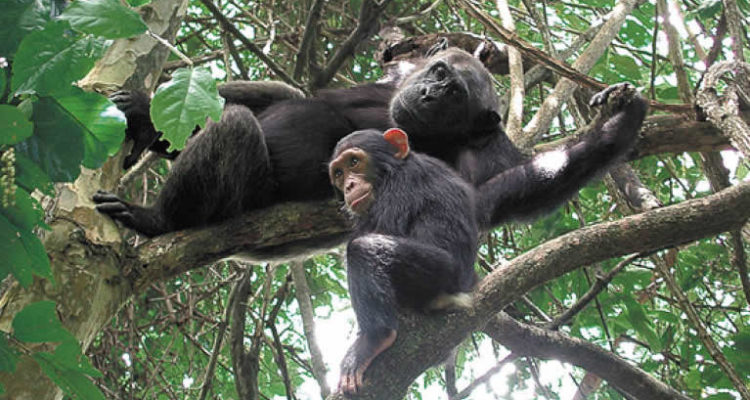
It is here that the country’s highest diversity and concentration of primate species are found and it is for this reason that it was christened the “Primate Capital of the World”. Interestingly, at least half of this Park’s 13 different primate species can be spotted during a single trip. About 1500 of the country’s 5000 chimpanzees live in Kibale Forest National Park alone.
A number of chimpanzee communities in Kibale Forest National Park are well-studied and habituated for tourism hence making it the most preferred destination for chimpanzee trekking adventures.
Aside from Chimpanzees, Olive baboons, L’Hoests monkeys, black and white colobus monkeys, red-tailed monkeys, vervet monkeys, the Ugandan red colobus monkeys (procolobus tephrosceles), the rare nocturnal Pottos, the rare Grey-cheeked mangabey, blue monkeys, and the nocturnal bush babies also call the Tropical rainforests of Kibale home.
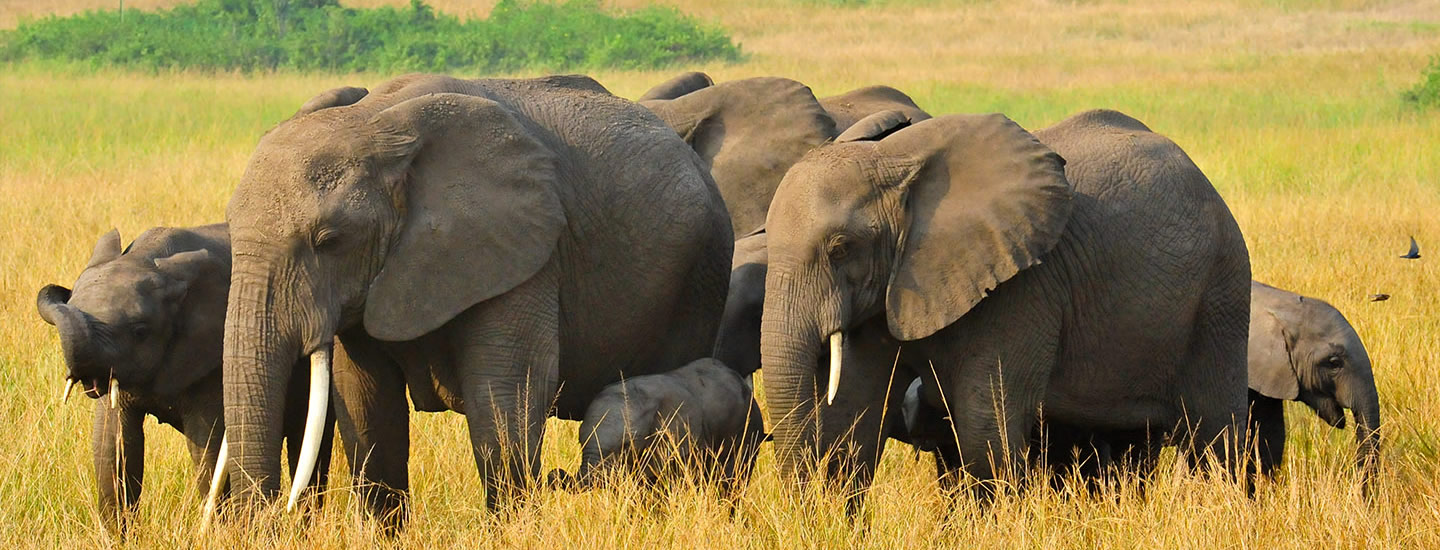
Other wildlife species found in Kibale Forest National Park are the forest elephants, giant forest hogs, African golden cats, bush pigs, Forest buffaloes, bushbucks, serval cats, common warthogs, Otters, Mongoose, blue and red duikers, and Sitatunga among others.

Bird species
It can’t go without mention that Kibale Forest National Park is one of the 33 documented Important Bird Areas in Uganda, boasting over 375 species of birds of which 6 are endemic to the Albertine rift Valley, others to the Congo-Guinea Biome, while some are only found in this Park. While the Green-breasted Pitta is the most sought-after bird in Kibale Forest, other species to look-out for include African pitta, Abyssinian ground thrush, black-eared ground thrush, Brown-chested alethe, Black-capped Apalis, Black bee-eater, Blue-breasted kingfisher, black bee-eaters, blue-headed sunbird, crowned eagle, Dusky Crimsonwing, blue breasted kingfishers, Eastern Nicator, yellow spotted nicator, Olive long-tailed Cuckoo, western tinkerbird, little greenbuls, red-faced woodland warbler, Purple-breasted sunbird, Lowland-masked Apalis, Yellow-rumped tinkerbird, , yellow rumped tinker bird, to mention but a few.

Activities & Attractions

Chimpanzee trekking and Habituation Experience
Kibale Forest National Park is always travelers’ first choice for tracking and seeing mankind’s closest relatives of the animal Kingdom. Travelers go through 1-4 hours of searching for the chimps (on-foot tracking), before finally spending quality time with them.
Chimpanzee treks in Kibale Forest National Park are conducted in two sessions- morning and afternoon sessions, but each starts with registration and briefing at the Park Headquarters (Kanyanchu Reception Center). This is followed by allocation into any of the chimpanzee communities, then walking for several hours before finally seeing the Great Apes.
Participants have to be 12 years and physically fit for the long walks through the jungles. Chimpanzee permits cost only $200 and only 6 persons can trek each habituated chimpanzee community in Kibale Forest National Park. However, there is also an option of spending an entire day with chimpanzees as they undergo habituation through the famous “chimpanzee Habituation Experience”, but a permit costly slightly higher- $250 per person.

Cultural tours
The Batoro and Bakiga are the two major Tribes around Kibale Forest National Park and spending a few hours in their midst will introduce you to their exceptional ways of life, food, cultural dances, unique architectural designs, and others. Get the chance to learn about local medicines from the traditional healer, visit the nearby school, health centers, and other projects established from community tourism initiatives like in Bigodi.

Bird watching
Kibale Forest National Park is an Important Bird Area that shelters over 375 bird species. Birders are offered the chance to walk through any of the well-maintained forest birding trails or view from the raised platforms and boardwalk. Look out for the green-breasted pitta, Purple-breasted sunbird, white-bellied crested flycatcher, grey-throated flycatcher, red-winged francolin, African Pitta, black-capped Apalis, grey-winged robin, red-faced woodland warbler, woodland warbler, Black bee-eater, Abyssinian ground thrush, to mention but a few. Birding is done all year round, but the wet months offer better sighting, as flowers blossom and it’s the breeding season.

Guided forest walks
Undertaking guided forest walks is a wonderful way to see other primates, butterflies, Amphibians, unique tree and plant species, and reptiles that call Kibale Forest National Park home. Travelers have recorded success in encountering forest elephants, bushbucks, Sitatunga, duikers, and sometimes snake species during the daily guided walks. Night guided walks increase chances of sighting leopards, bushbabies, Pottos, and tree hyraxes among others.

When to visit Kibale Forest National Park

Kibale Forest National Park can be visited all year but different seasons offer different challenges and opportunities. While this is majorly a Tropical rainforest, the Northern part is considerably wetter and receives an average rainfall of 1700 millimeters per year. However, the overall wet months are March, April, May, September, and November, and these make trails wetter and muddy hence avoided by travelers. Surprisingly, chimpanzees have more food during the wet months and thus are easier to sight. The peak for most activities is the dry season months of January, February, June, July, August, and December when the average temperature is 25˚C. During these months, trails are drier due to reduced rainfall.

Where to stay

A number of accommodation facilities have been set up around Kibale Forest National Park, to make it easier and effortless for travelers to explore this stunning Protected Area. Some are just a stone’s throw from the Park, others around Fort Portal, and some in the Bigodi Area. These are Primate Lodge, Crater Safari Lodge, Kibale Forest Camp, Kibale Forest Lodge, Ndali Lodge, Kyaninga Safari Lodge, Papaya Lake Lodge, Mountains of the Moon Hotel, Nyinabulitwa Resort, and Safari Camp, Chimps’ Nest, Aramaga Rift Valley Lodge, Kanyanchu River Camp, Sebitoli Campsite, Lake Nkuruba Nature Reserve, to mention but a few.

Getting to Kibale Forest National Park

Kibale National Park is found in the western part of Uganda and the southeast of Fort Portal. This Park is accessed by air and road. For the latter, you can use two routes from Kampala. The first is Kampala-Masaka-Mbarara- Fort Portal then to the Park, taking 6-7 hours. The most popular is Kampala-Mityana-Mubende-Fort Portal to its Northern side, taking 5-6 hours. For air, travelers fly from Entebbe International Airport/Kajjansi Airstrip to Kasese Airstrip, then continue (2 hours) to Kibale Forest by road.

Posted by admin in Travel Guide, 0 comments
Akagera National Park

Akagera National Park

Akagera is one of the four National Parks, and undoubtedly one of the unmissable safari destinations in Rwanda. For big game safaris and unmatched wilderness experiences, this Protected Area is the answer. Akagera National Park at the Eastern side of Rwanda is beautiful Akagera National Park extending for over 433 square miles/112200 hectares and is one of the country’s most renowned safari destinations. At the time it was gazetted, this Park covered an area of 965 square miles but due to several years of encroachment, it has tremendously reduced in size.

Vegetation of Akagera National Park
Akagera National Park’s 433-square mile size protects a typical African savannah ecosystem with acacia species and bushlands that are dotted with open grassland and dozens of swampy vegetation. It also has a complex system of Lakes and connecting Papyrus swamps that make it Central Africa’s largest protected wetland and the last remaining refuge for savannah-adapted species in the country. There are also montane forests, woodlands, and Rivers (Kagera River that drains through the Park along its Eastern boundary with Tanzania).

History
Akagera became a National Park in 1934 and was named after the Kagera River that drains through the eastern border of Rwanda with Tanzania, into Lake Ihema and other smaller Lakes.
Like most African Protected Areas, Akagera National Park has suffered a number of conservation setbacks such as encroachment into its boundaries, poaching, civil wars, and animal extinction. However, partnerships between the Rwandan Government and different International Conservation Organizations have been fundamental in the restoration of this Park to its former glory. In so doing, the wildlife that once called this Park home like the lions, Black and white Rhinos, Masai giraffes and many others have been re-introduced through the years. The year 2010 also saw Rwanda Development Board enter into a 20-year renewable agreement with the African Parks network for the effective and sustainable management of Akagera National Park.

Akagera National Park attractions
The diverse vegetation of Akagera National Park shelters different wildlife species, and a number of bird species, which are fundamental to the beauty and attractiveness of Akagera National Park
Wildlife
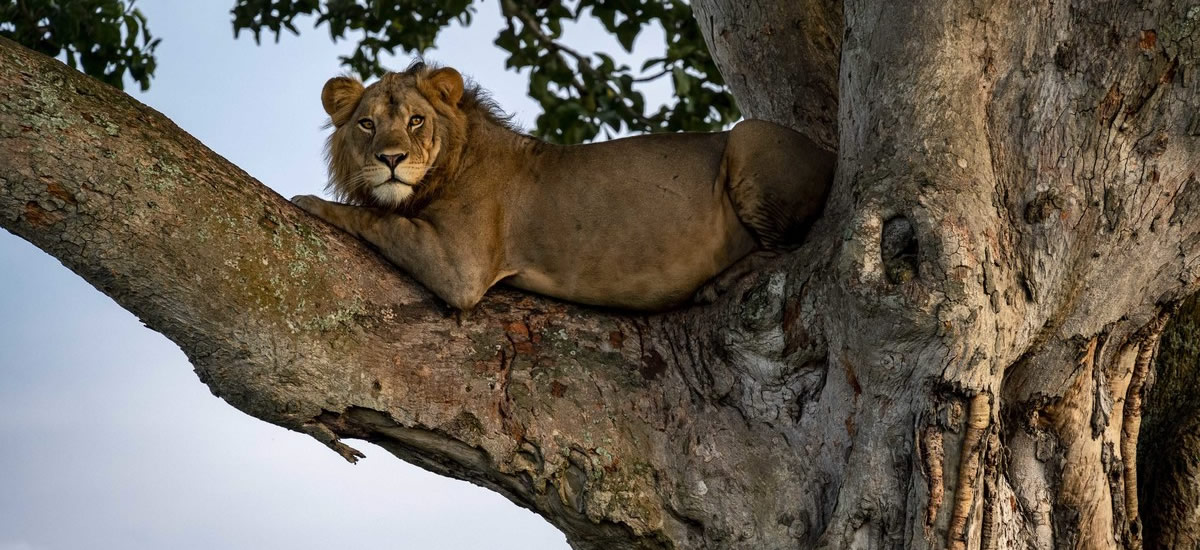
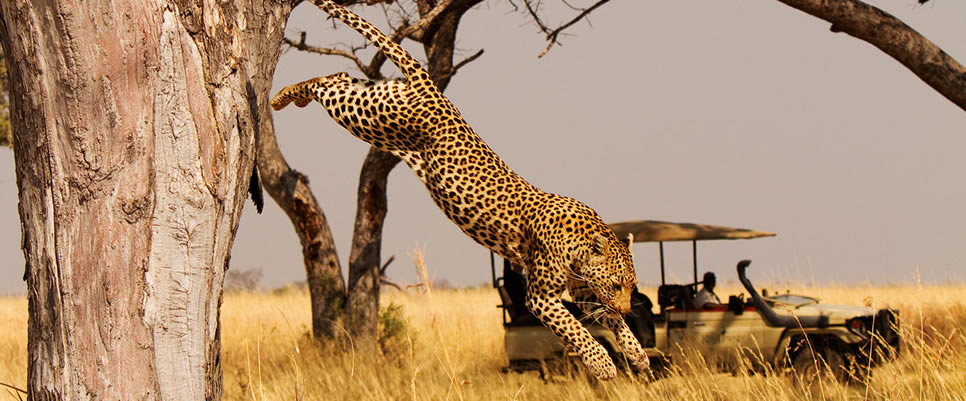
Akagera’s vast savannah plains, stunning rolling hills, and wetland-fringed Lakes are home to lots of wildlife species, many of which only live here and nowhere else in the country. It’s only here that you will see the big five game (Rhinos, leopards, buffaloes, lions, and elephants). Also sheltered in this National Park are bushbucks, serval cats, zebras, Duikers, mongoose, elands, olive baboons, Masai giraffes, Impalas, Defassa waterbucks, Klipspringer, side-striped jackals, Hippos, Topis, warthogs, blue monkeys, Roan antelopes Bohor reedbucks, vervet monkeys spotted hyenas, Oribis, to mention but a few.

Bird species
Akagera National Park’s savannah, montane forests, Bushlands, woodlands, wetlands, Lakes and other ecosystems offer shelter to over 500 species of birds. These include African fish eagles, papyrus gonolek, grey-crowned cranes, red-faced barbets, Hadada Ibis, Senegal Lapwings, Water thick-knee, giant kingfishers, grey-backed Fiscals, Hammerkop, Lilac-breasted rollers, Bateleur, Ross Turaco, African harrier hawks, pied crows, Long-crested Eagles, shoebill storks, , swamp flycatcher, Pied crows, African wattled plovers, to mention but a few.

Stunning Lakes
While most travelers are drawn to the diverse wildlife and bird species of Akagera National Park, the photographers are nature lovers cant resists the stunning Lakes. The Park’s swamp-fringed Lakes are simply unmissable. Lake Ihema is the largest Lake in this Park and surprisingly the second largest in the country. This is where boat cruises are undertaken. Other beautiful Lakes are Shakani, Rwanyakazinga, Gishanju and Mihindi among others.

Exciting Tourist activities in Akagera National Park

Hot air balloon Tours
Introduced in January 2022, Hot air balloon tours in Akagera National Park are operated by Royal Balloons and offer visitors the opportunity to explore the beauty of this Park. With this activity, it is possible to take in the scenic views of the different ecosystems- Lakes, Plains, savannah, and forests along with the animals. This is one of the ways to reach some of the remote areas that aren’t reachable through other activities such as game drives and nature walks.

Game drives
Another amazing way to discover the beauty of Akagera National Park is undertaking a game drive through some of the well-maintained game tracks to see the majestic zebras, lions, Masai giraffes, impalas, Topis, Kobs, leopards, Rhinos, elephants, buffaloes, and many others.
Early morning and evening/night game drives introduce you to nocturnal wildlife such as serval cats, leopards, jackals, spotted hyenas, and lions. Other unmissable species are giant elands, bushbucks, Roan antelopes, Defassa waterbucks, warthogs, Oribis, and Mongoose, mostly spotted during day game drives.

Boat cruises
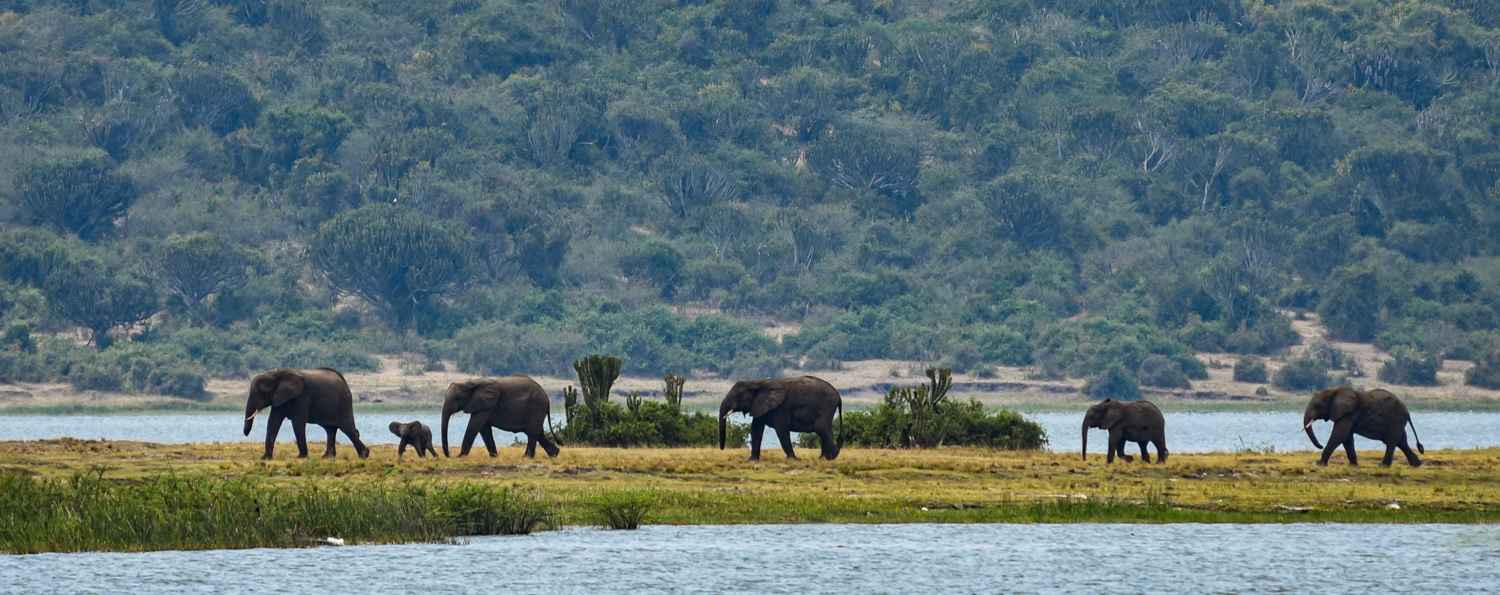
The best way to see the Hippos and Crocodiles of Akagera National Park is by taking part in Boat Cruises, conducted on Lake Ihema, the largest Lake in the Park. During this 3-4 hours’ boat cruise, you will also see herds of Elephants, Cape buffaloes, and antelopes, as well as bird species such as papyrus gonolek, African fish eagles, pelicans, Malachite Kingfishers, Hammerkop, giant and Pied Kingfishers, to mention but a few.

Guided bush walks
There is no better way to get up close to nature and see the smaller creatures of Akagera National Park than undertaking bush walks. In so doing, lots of bird species, smaller wildlife species, butterflies, and outstanding plant species will be spotted during the bush walks. Don’t worry about safety because the activity is undertaken in the presence of an armed Park Ranger and an experienced guide.

Birding
With the highest ever-recorded bird species in the country, Akagera National Park is simply unmissable during birding tours. Don’t be surprised to see at least half the Park’s bird species in a single birding trip. Always look out for the shoebill storks, Senegal Lapwings, Papyrus gonolek, long-tailed Cisticola, giant and pied kingfishers, grey-crowned cranes, swamp flycatchers, African fish eagles, red-faced barbets, African jacana, Herons, Long-crested Eagles, Pelicans, Pied crows, Grey-crowned cranes, to mention but a few.

Sport fishing
Are you interested in sport fishing during your Rwanda safari and wondering how to go about it? This is possible within Akagera National Park and it is done in Lake Shakani. Cat fish and Tilapia, are the mostly caught species here but as you go about your activity, expect surprise visits from the Hippos, and antelopes.

Bush Camping
While Camping is a form of accommodation, it is also an adventure for many travelers as a way of experiencing the wilderness. Unforgettable experiences can be derived from any of the three Campsites and guests are provided basic facilities like running water, flush toilets, and solar-heated showers. Camping is provided while providing views of the rolling grassland hills, stunning Lakes, and savannah plains.

Community visits
Visiting the communities around Akagera National Park provide an insight into the culture of typical Rwandan rural areas, and these are centered around cattle rearing, local beer production, arts and crafts, preparation and savoring on traditional food as well as festivities. Our visitors get the chance to visit the Imigongo Art and Craft Center to learn about the heritage of the people (cattle rearing). Here, there is a chance to see how cows are milked locally, banana beer brewing, and honey harvesting, to mention but a few.

Helicopter Tours
Conducted by Akagera Aviation, the Helicopter tour start from Kigali International Airport and explores the country’s countryside to Akagera National Park while providing aerial view of the Park’s diverse vegetation, wildlife and so much more.

When to visit Akagera National Park

Accommodation
Akagera National Park has few but remarkable accommodation options that include Magashi Camp, Akagera Game Lodge, Ruzizi Tented Lodge, Karenge Bush Camp, Dereva Hotel, and Campsites (Shakani, Mutumba). Other places of stay worth trying are far from the Park and they include Umubano Hotel, Manor Hotel, and Cari Hotel among others.

Getting there
Set in the Eastern part of Rwanda, about 120 kilometers/two and a half hours’ drive from Kigali City is Akagera National Park. This is the most accessible Park in the country and because of this, day excursions are possible for travelers limited by time. Akagera is currently mainly accessed by Road transport because there are no domestic flights to the Park, although charter Helicopter transfers can be arranged (provided by Akagera Aviation, lasting only 22 minutes).

Posted by admin in Travel Guide, 0 comments